
Read the flow.Choose cleaner.
Energy Market Authority SingaporeInstalled Capacity of Grid-Connected Solar Photovoltaic SystemsEnergy Market Authority SingaporeSingapore to Accelerate Solar Deployment to Meet 3 GWp Solar Target by 2030Energy Market Authority SingaporeBuying at Regulated TariffEnergy Market Authority SingaporeSolar Generation ProfileNational Climate Change Secretariat SingaporePowerNational Renewable Energy LaboratoryPVWatts CalculatorInternational Renewable Energy AgencyRenewable Power Generation Costs in 2025International Energy AgencyElectricity Mid-Year Update 2026
Grid choices
 GridFollow electricity from supply to socketPower1 questionCompare
 SupplyCompare supply claims with actual needsPower1 questionCompare
 TariffsSeparate unit rates from fixed chargesPower1 questionCompare
 CarbonRead the boundary behind carbon figuresPower1 questionCompare
 ReliabilityMatch continuity needs to real constraintsPower1 questionCompare
 FlexibilityShift demand without losing useful servicePower1 questionCompare
Visible unitsYour inputsFree comparisons
Home demand
 BaselineStart with what your home usesHome1 questionCompare
 CoolingCompare comfort with the energy requiredHome1 questionCompare
 HeatingMatch heating choices to local conditionsHome1 questionCompare
 AppliancesRead consumption beyond the headline ratingHome1 questionCompare
 CookingCompare cooking habits and energy inputsHome1 questionCompare
 RetrofitsPrioritise changes around your actual buildingHome1 questionCompare
Monthly use
Quick setups
- Target reduction
- 50.4 kWh
- Remaining use
- 369.6 kWh
This is a target to compare with your next bill, not a measured saving.
Solar potential
 RoofSeparate usable roof from total areaSolar1 questionCompare
 YieldKeep local sunlight and losses visibleSolar1 questionCompare
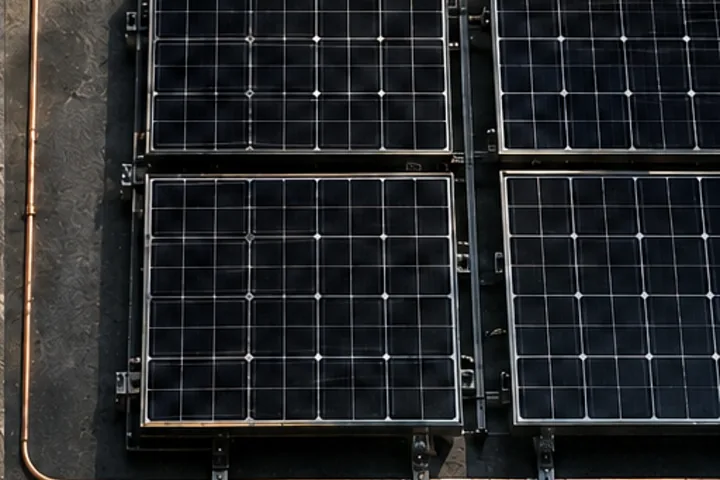 SizingMatch capacity to space and demandSolar1 questionCompare
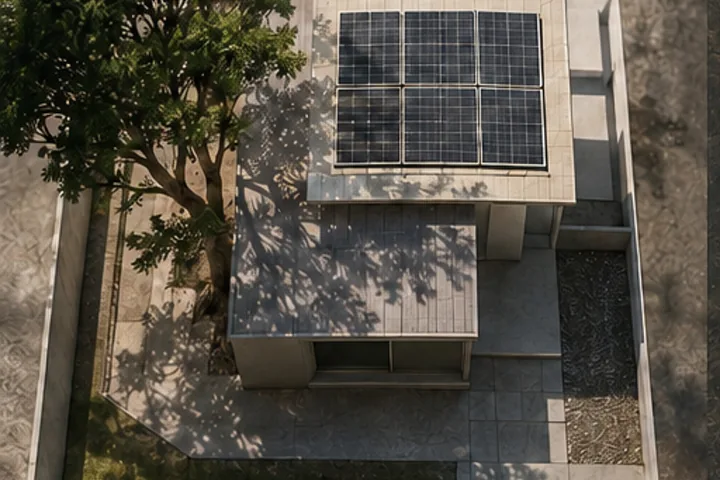 ShadingTrace the shade before assuming outputSolar1 questionCompare
 PaybackCompare costs without promising a returnSolar1 questionCompare
 CareKeep access and maintenance in viewSolar1 questionCompare
A lower unit price, a smaller bill and lower emissions answer different questions. Keep the quantity and boundary beside the comparison.
Stored energy
 CapacityDistinguish rated energy from usable capacityStorage1 questionCompare
 BackupMatch essential loads to backup timeStorage1 questionCompare
 CyclesRead lifetime claims alongside operating conditionsStorage1 questionCompare
 ChargingAccount for charging rates and lossesStorage1 questionCompare
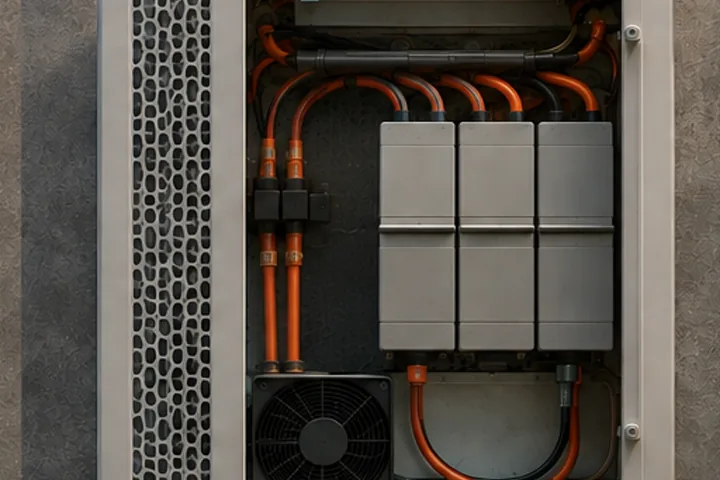 SafetyLeave battery safety to qualified assessmentStorage1 questionCompare
 Virtual PlantsUnderstand control before joining shared schemesStorage1 questionCompare
Choice clearer?
Daily travel
 VehiclesCompare the journeys a vehicle servesMobility1 questionCompare
 ChargingFit charging access around daily travelMobility1 questionCompare
 RangeSeparate rated range from your journeyMobility1 questionCompare
 FleetsMatch shared vehicles to operating patternsMobility1 questionCompare
 TransitCompare whole journeys beyond vehicle choiceMobility1 questionCompare
 FuelsKeep fuel assumptions and boundaries visibleMobility1 questionCompare
Cleange compares the inputs you enter; site, safety and contract decisions still need qualified assessment.
Project checks
 SitesGather the evidence your site needsProjects1 questionCompare
 FinanceKeep cost assumptions beside the estimateProjects1 questionCompare
 ProcurementCompare like-for-like scope before choosing suppliersProjects1 questionCompare
 DeliveryMake responsibilities and handover requirements explicitProjects1 questionCompare
 OperationsPlan the work after commissioning finishesProjects1 questionCompare
 ClaimsTrace project claims to supporting evidenceProjects1 questionCompare
Start here

Baseline
Build a measured starting point that keeps weather, occupancy and billing period visible before claiming improvement.
Open Baseline →